1954
Rock & Roll Breaks Through
Radio and records spread a new youth sound across cities and suburbs.
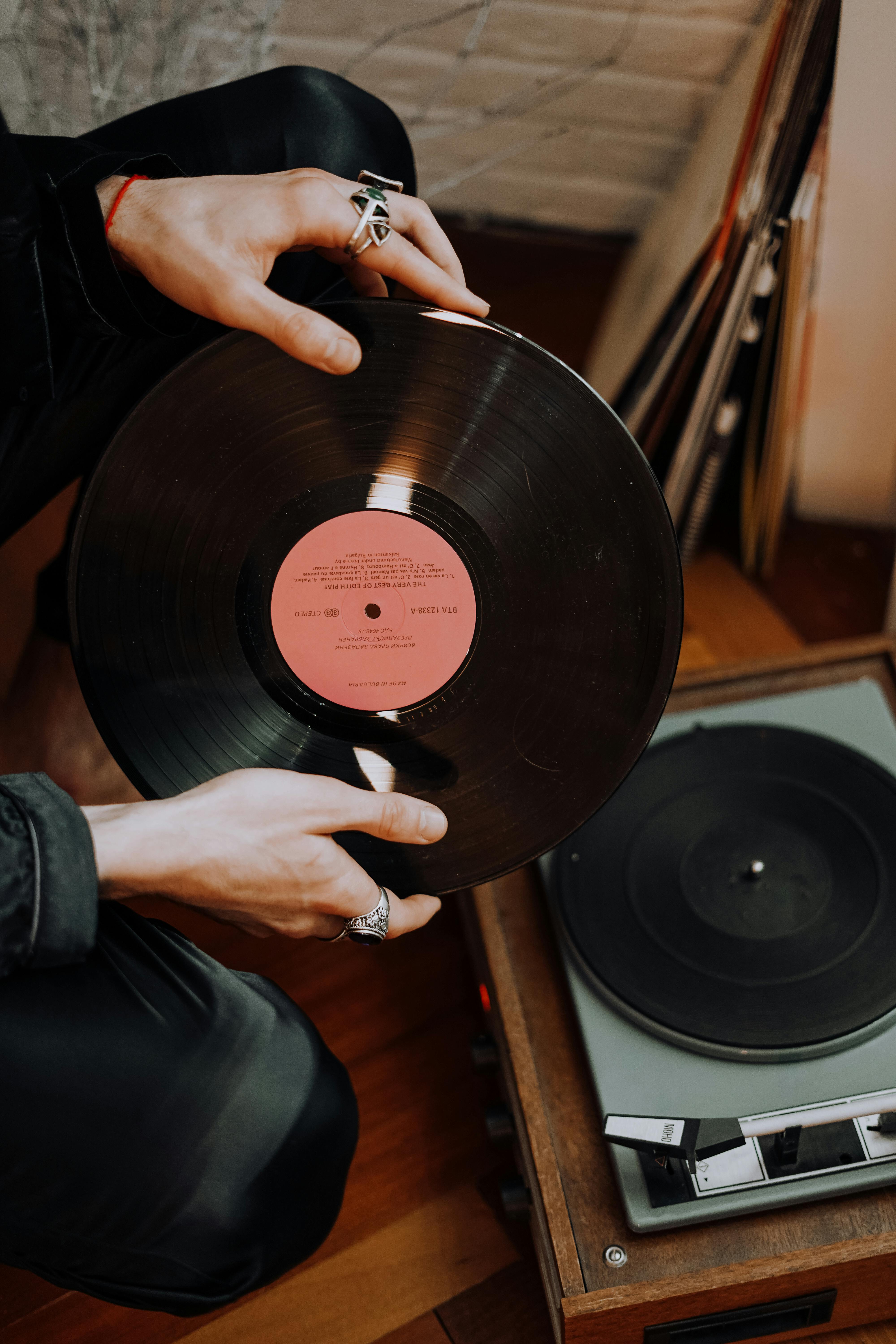
How Rock Music Changed Youth Culture Forever
How Rock Music Changed Youth Culture Forever
In the 1950s and 60s, local club sounds scaled into arena rituals. Amplification, distortion, and feedback turned technical limits into creative signatures.

Minimal lineups pushed maximal dynamics: louder drums, thicker bass, and a guitar tone that carried both melody and chaos.
1954
Radio and records spread a new youth sound across cities and suburbs.
1967
Studios become instruments; songs become worlds.

1977
Short songs, sharp politics, DIY venues, immediate impact.

1991
Independent scenes suddenly define the center of popular culture.

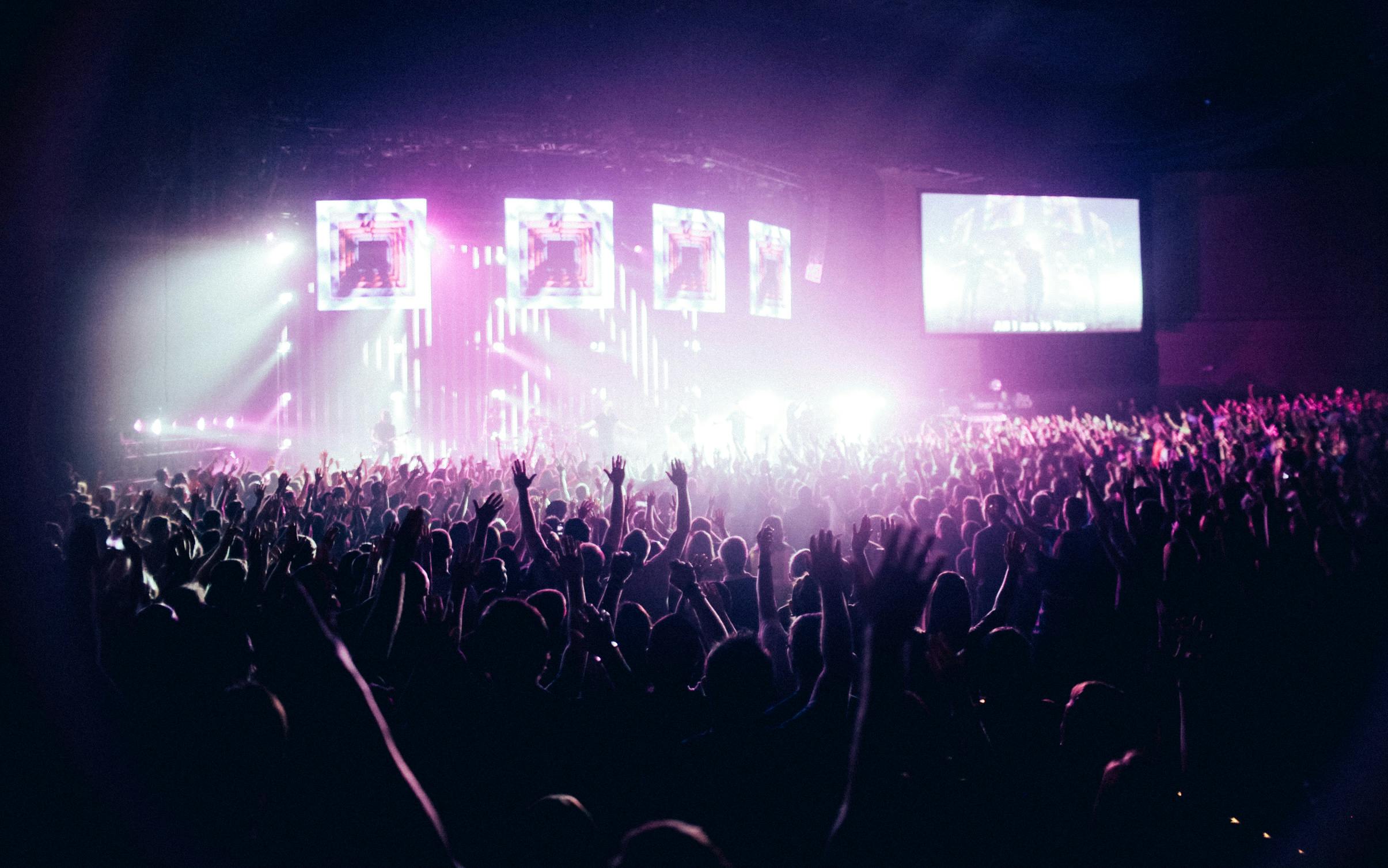
Tone shaping and transitions happen here in real time.
Click points to decode a live stage setup.
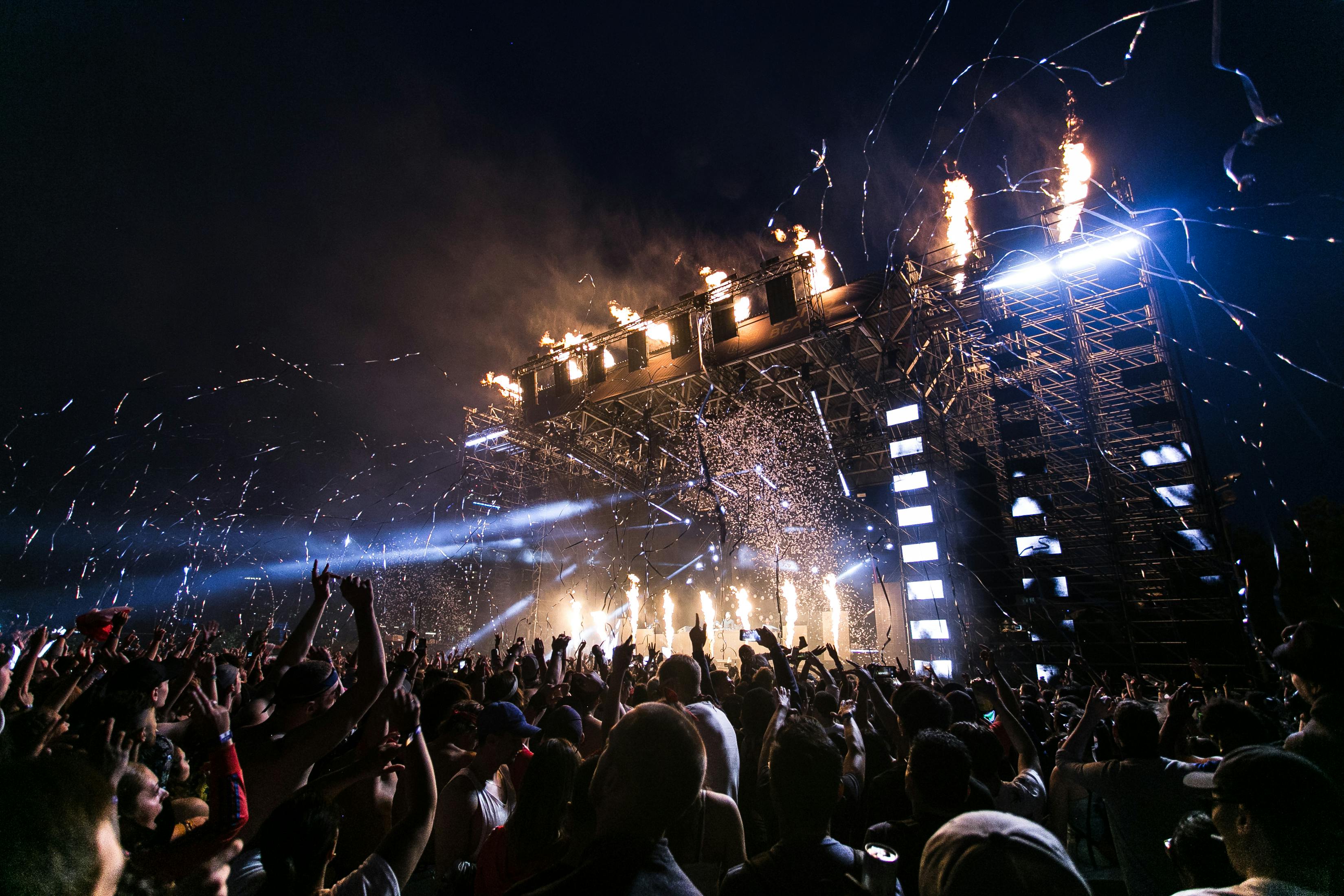



Rock never stopped mutating. It fed metal, indie, post-punk, grunge, and countless hybrids. The core idea stayed constant: turn tension into volume and make private feelings public.